

Georgian Dream demanded an apology from the BBC.
Georgian authorities have demanded that the BBC remove an investigation into the possible use of chemical weapons against protesters and issue a public apology.
As reported by the Caucasian Knot, the Georgian State Security Service has launched an investigation into BBC reports that the country's authorities used chemicals against protesters during the dispersal of anti-government rallies in Tbilisi in 2024. Participants in daily protests outside the Georgian parliament since December 1, 2025, have been demanding a full investigation. On December 5, 2025, they demanded the names of the chemicals used to disperse the protesters be made public. The Georgian Ministry of Internal Affairs never purchased "kamit"; it purchased and used a substance called "chlorobenzylidine malononitrile," the Georgian State Security Service stated on December 6. The Service has closed its investigation into abuses of power by security forces but continued its investigation into hostile actions against the country in connection with a BBC report. At weekly Saturday marches, protesters are demanding an international investigation. Georgian authorities have demanded that the BBC remove its investigation into the possible use of chemical weapons against demonstrators and issue a public apology. According to Parliament Speaker Shalva Papuashvili, the ruling Georgian Dream party filed a complaint with the BBC on January 14, Novosti Georgia reports. The complaint concerns a BBC investigation published on December 1, 2025, which suggested the possible use of kamit, a chemical agent dating back to World War I, against protesters in Tbilisi. The Georgian authorities reject these findings, calling the publication "defamatory" and "politically motivated." Papuashvili claims the material violates the BBC's editorial standards, as well as the code of the British media regulator, Ofcom. Specifically, the Georgian side insists that the corporation presented the use of a chemical substance as established fact, without relying on "verified and independent sources," and that the government's position was ignored. Papuashvili stated that an internal government investigation did not confirm the use of kamit, and the Ministry of Internal Affairs, according to him, never possessed the substance. However, it was previously officially acknowledged that potentially hazardous substances were stored at a Georgian special forces base. The authorities have not yet clarified whether they were used during the dispersal of protests.
According to Shalva Papuashvili, British law states that a complaint must first be filed with the media, and if the media fails to rectify the violation, the next step is to contact the British Communications Bureau. If the violation is not rectified there, they will have the opportunity to appeal to a British court, Interpressnews clarifies.
Protesters in Georgia have been demanding new parliamentary elections and the release of political prisoners since November 28, 2024. They have been holding daily protests on Rustaveli Avenue. In October 2025, after the tightening of laws on assemblies and demonstrations, security forces began to massively detain protesters on Rustaveli Avenue.
"Caucasian Knot" also maintains a "Chronicle of Public Apologies in the Caucasus", and news about the next apologies are posted on the thematic page "Whom the Caucasus makes apologize".
Translated automatically via OpenAI from https://www.kavkaz-uzel.eu/articles/419951

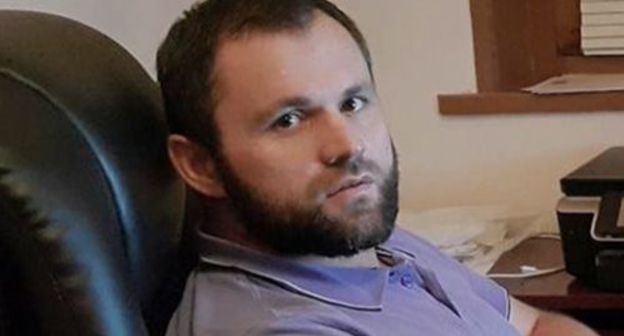
![Tumso Abdurakhmanov. Screenshot from video posted by Abu-Saddam Shishani [LIVE] http://www.youtube.com/watch?v=mIR3s7AB0Uw](/system/uploads/article_image/image/0001/18460/main_image_Tumso.jpg "Tumso Abdurakhmanov. Screenshot from video posted by Abu-Saddam Shishani [LIVE] http://www.youtube.com/watch?v=mIR3s7AB0Uw")