

Tbilisi protesters thanked the BBC for its investigation into the "kamit"
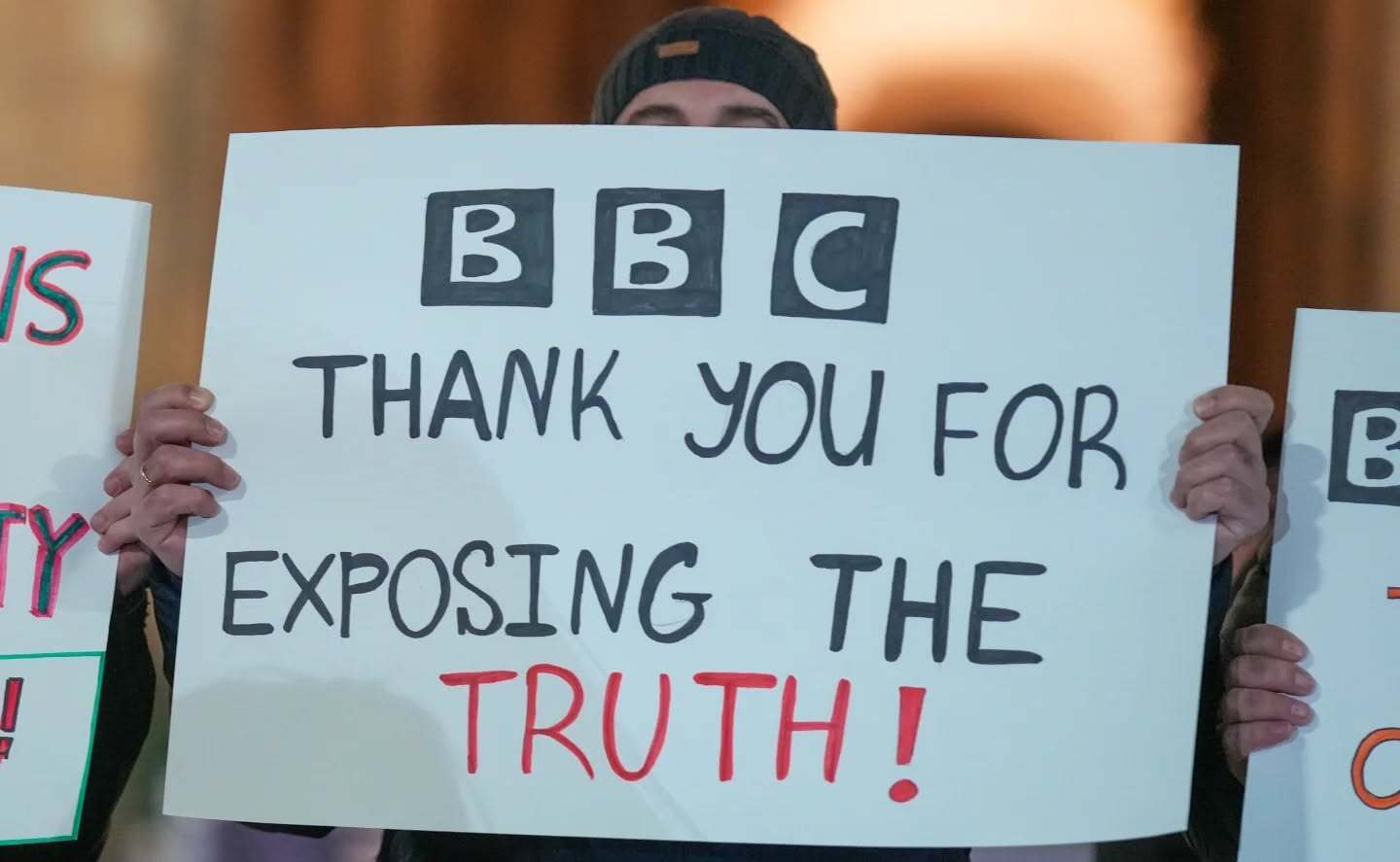
On the 370th day of continuous protests, protesters outside the Georgian Parliament thanked the authors and participants of the BBC investigation into the use of toxic substances against demonstrators.
As reported by the Caucasian Knot, the Georgian State Security Service has launched an investigation into reports that the country's authorities used chemical substances against protesters during the dispersal of anti-government rallies in Tbilisi in 2024. This information was presented in a BBC Broadcasting Corporation report. On the evening of December 1, on the 369th day of continuous protests, protesters outside the Georgian Parliament set fire to smoke bombs, claiming that protesters were poisoned last year.
For the second year, daily protests have been taking place in Georgia, demanding new parliamentary elections and the release of all those detained for participating in the demonstrations. Demonstrators have blocked traffic on Rustaveli Avenue for 343 consecutive days. Since November 6, security forces have prevented activists from blocking traffic, setting up a human wall of police along the roadway; protesters have been detained for attempting to enter the road. From then until November 26, supporters of European integration held daily marches through central Tbilisi, taking different routes.
This evening, on the 370th day of continuous protests, activists in Tbilisi gathered outside the parliament building on Rustaveli Avenue. Some protesters held a short march to the Freedom Square metro station. After several speeches, the march returned to parliament, where the protest continued, Publika reports.
Protesters arrived on Rustaveli Avenue with British flags and posters highlighting the journalistic investigation into the use of toxic agents by security forces during the dispersal of mass protests a year ago. They held homemade posters reading "Chemical weapons are a crime against humanity" and "Documented, verified, revealed thanks to the BBC." They thanked the journalists for their investigation and called on the international community to take action in response to the information released.
Protesters announced a mass rally at 7:00 PM local time on Saturday, December 6. Activists say this rally is intended for those who cannot join the protest every day, but daily gatherings on Rustaveli Avenue and marches will continue, Interpressnews reports.
Dr. Konstantin Chakhunashvili, whose work was mentioned in the investigation, was questioned by the State Security Service today. He said security officials asked questions about his work history and scientific work, even though information about this research is publicly available. Chakhunashvili noted that his study, cited by journalists, does not name the specific substance, but other data analyzed by the BBC allowed the reporters to identify it.
"I think their goal is to claim that the BBC relied on our work in order to discredit the BBC and make it appear as if the BBC is drawing its conclusions directly from our research, which is not true," Pirveli TV quoted him as saying.
Translated automatically via OpenAI from https://www.kavkaz-uzel.eu/articles/417736

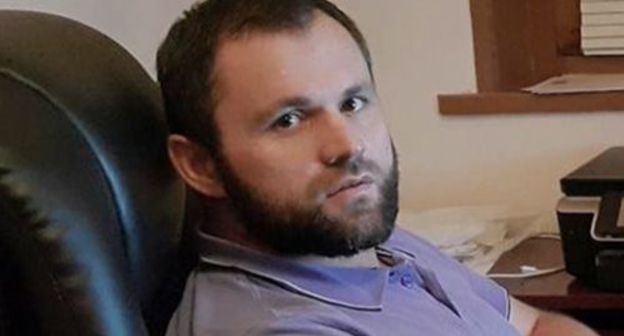
![Tumso Abdurakhmanov. Screenshot from video posted by Abu-Saddam Shishani [LIVE] http://www.youtube.com/watch?v=mIR3s7AB0Uw](/system/uploads/article_image/image/0001/18460/main_image_Tumso.jpg "Tumso Abdurakhmanov. Screenshot from video posted by Abu-Saddam Shishani [LIVE] http://www.youtube.com/watch?v=mIR3s7AB0Uw")